UKCAT (United Kingdom Clinical Aptitude Test) is a timed computer-based aptitude test required by 26 medical schools in their admissions procedure. The purpose of the UKCAT is to help these medical schools make informed choices when selecting from highly-capable applicants. In addition, it is believed that this approach would widen the participation of medicine to under-represented social groups. A recent study has raised the issue of inequalities in the medical student population; in part, the UKCAT serves to balance this inequality.
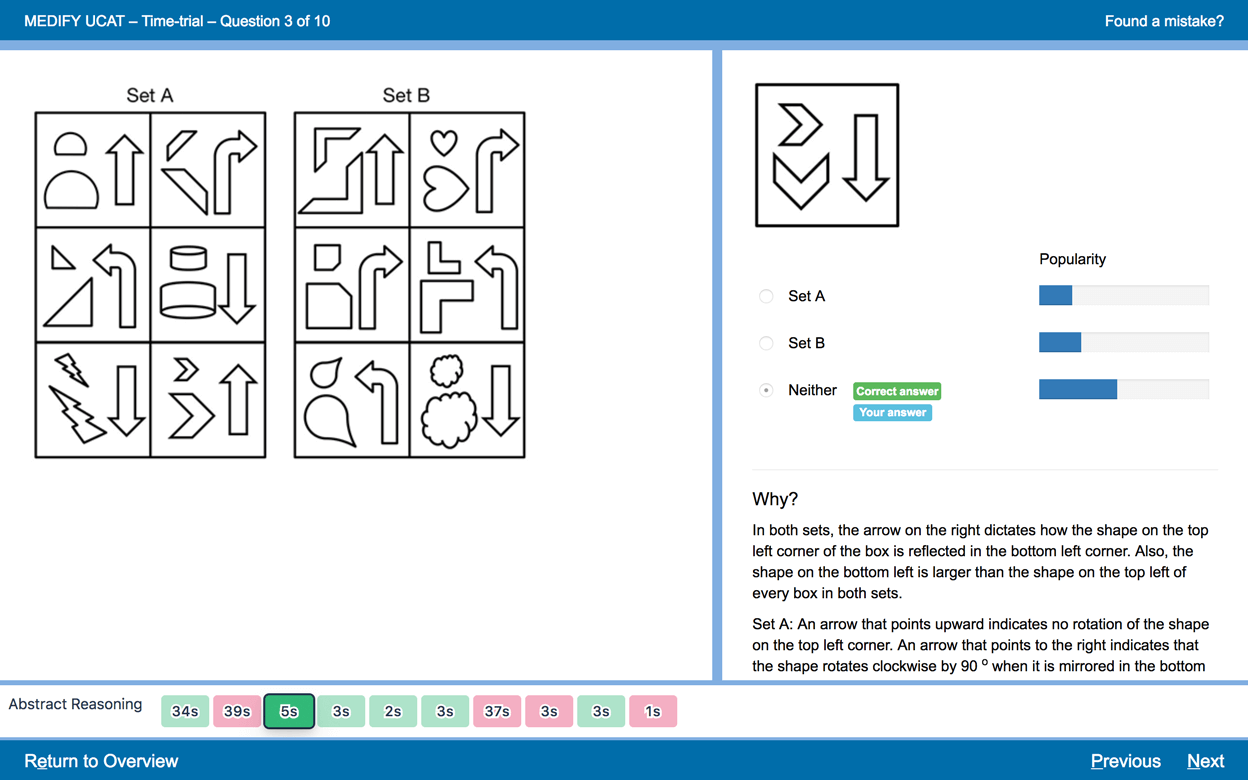
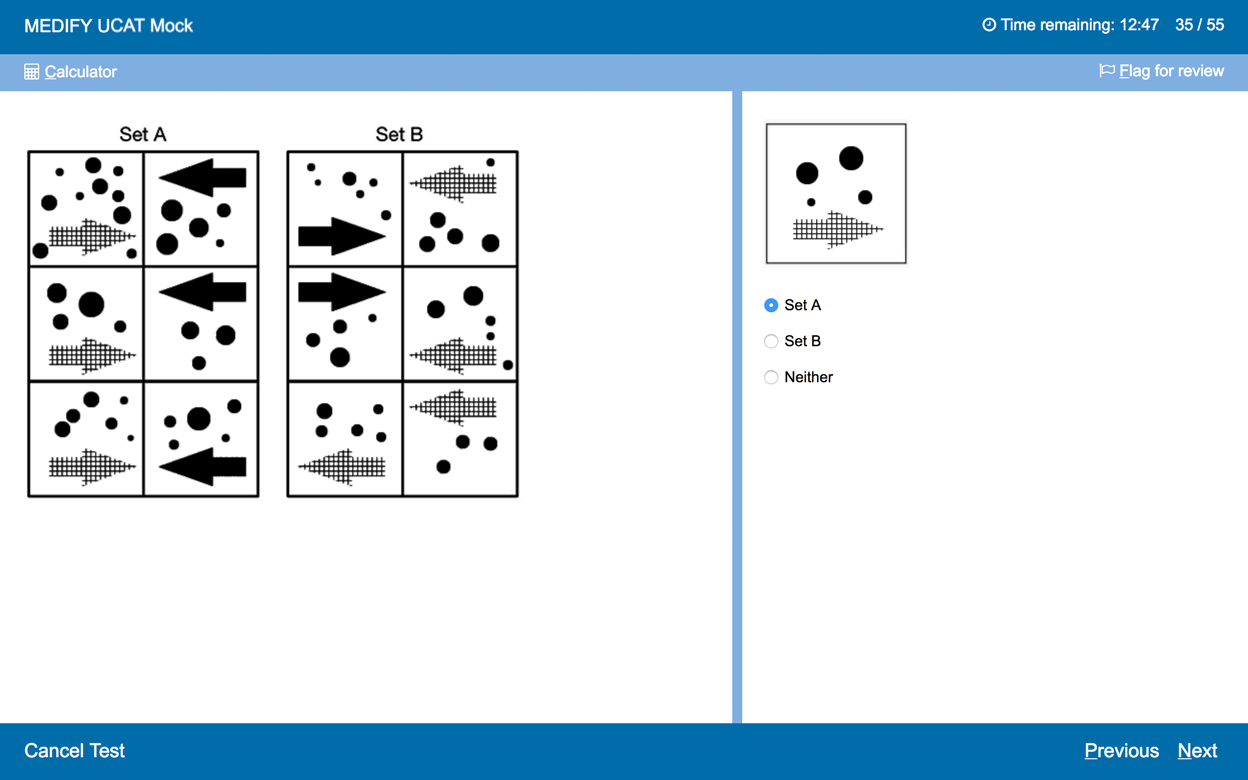
The aptitude test focuses on mental faculties essential in the practice of medicine, such as verbal reasoning, quantitative reasoning, abstract reasoning and decision making, and thus it consists of four assessed sections named: verbal reasoning, quantitative reasoning, abstract reasoning and decision analysis.
The test makers state that the UKCAT cannot be learnt or revised for. There is some truth to this: there is no set curriculum. Also, the test questions have been rigorously analysed so that there is minimal cultural bias; it is by all accounts an aptitude test. However, the statement can be misleading. Strictly speaking the acquisition of facts prior to the test will not benefit you, but familiarity of the test can make marked improvements to your speed and thus your score. Therefore, it is essential to be aware of what will be asked of you.